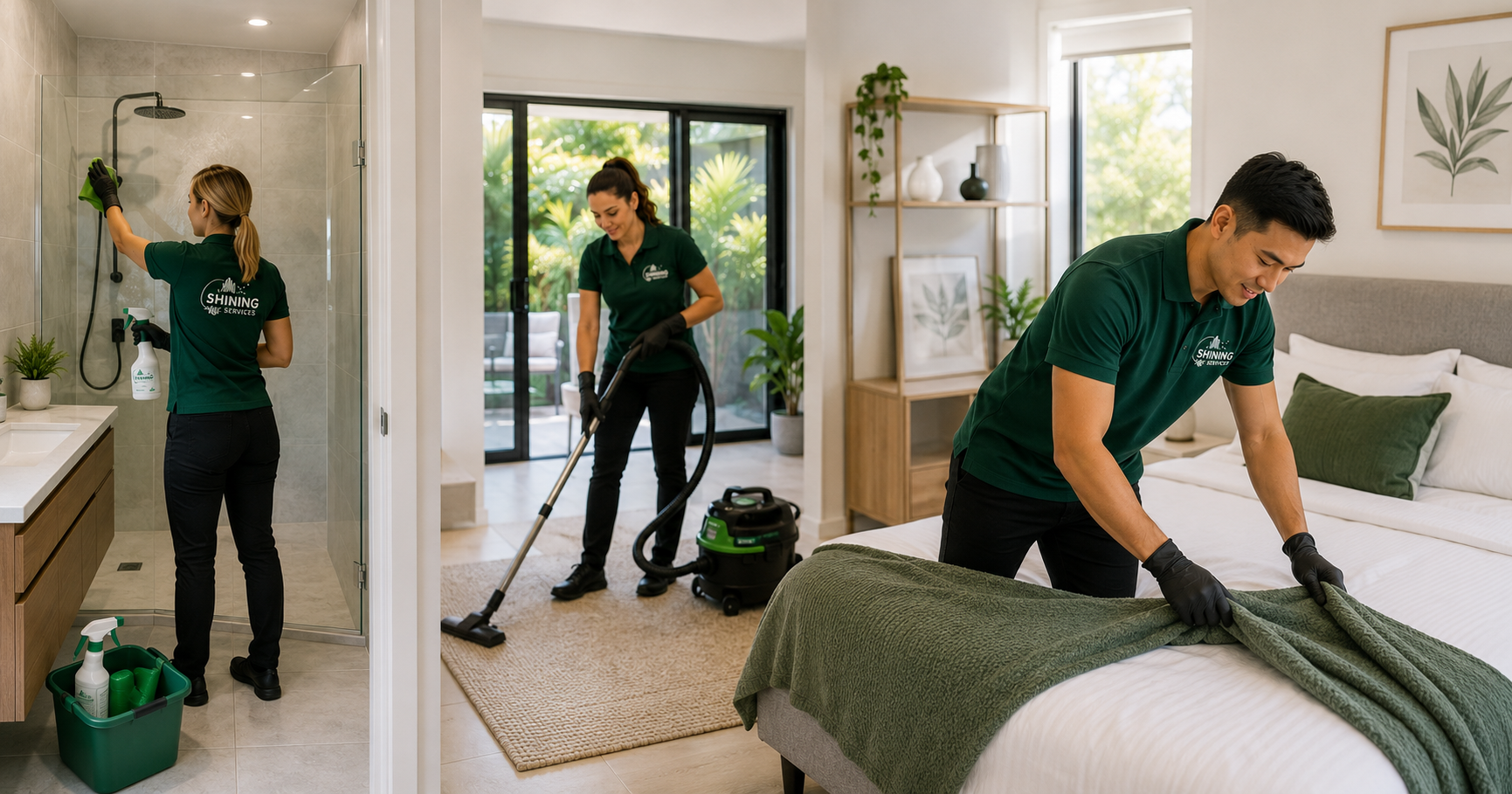
Surface growth
Silicone, grout, a shower ceiling, a window reveal. Non-porous surfaces where the growth sits on top.
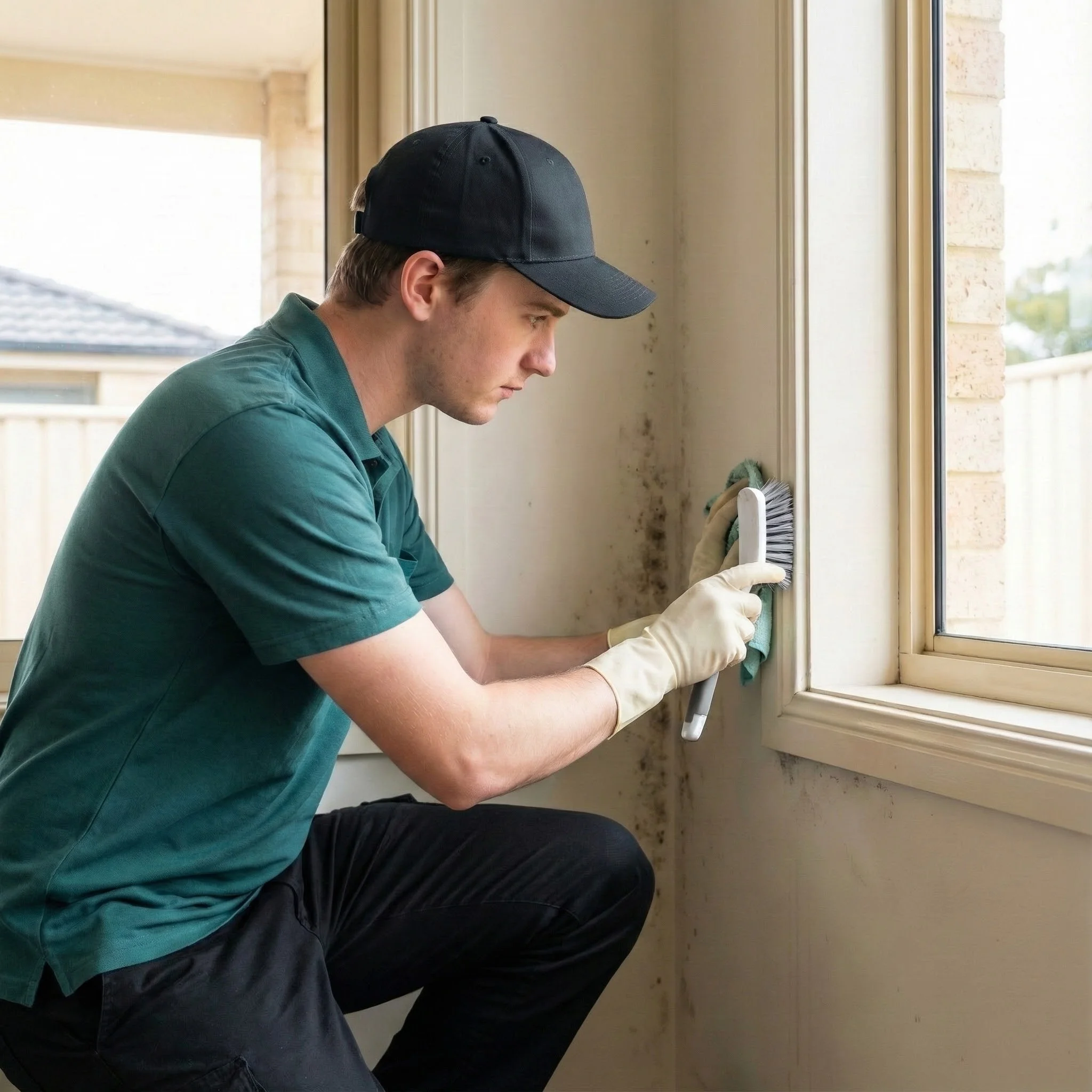
You wipe the ceiling, it looks gone, and a fortnight later it is back in the same spot. Mould cleaning in Australia only holds when the moisture feeding it gets dealt with, because the visible patch is the symptom rather than the problem. Bathrooms, ceilings, walls, wardrobes and window reveals, in Darwin, Perth, Sydney, Melbourne, Brisbane, Adelaide and Tasmania.
We find the moisture source first, then treat to the level the job actually needs. You get before and after photos and a written scope. From $255 including GST, with a straight answer on whether you need a clean or mould remediation, which we also do and quote after an inspection.
Cleaning removes growth from a surface it has not soaked into. Remediation removes contaminated material, contains the work area and deals with the moisture that caused it. We do both.
We physically remove surface growth rather than bleaching it pale and leaving it in place. That suits tile, silicone, glass and sound painted plaster.
Most bathroom mould is a cleaning job. Growth through plasterboard, insulation or a subfloor needs remediation, which we quote after an inspection, and we will tell you which one you have.
If the cause is a leak or flooding, the water has to come out first. See water damage and carpet drying. For growth confined to grout lines, see tile and grout cleaning.
Three sizes of problem, and honest sizing is the whole service.
Silicone, grout, a shower ceiling, a window reveal. Non-porous surfaces where the growth sits on top.
A defined area on a painted or plastered surface. Treated in place with the source addressed.
Growth into plasterboard, timber or insulation, or a room that smells before you see anything. The area is contained and affected material removed. Quoted after an inspection, never from a photo.
Almost always somewhere warm, still and damp that nobody looks at.
A musty smell with nothing visible usually means growth somewhere you cannot see. That is an inspection, not a clean.
Four steps, and the first one is why most attempts fail.
Contact usStep 01
Leak, condensation, ventilation or ingress. Treat the growth without this and it returns.
Step 02
Floors, furniture and soft furnishings near the patch are covered before anything is touched.
Step 03
Growth comes off the surface rather than being bleached pale and left in place.
Step 04
Photos, plus what has to change so it does not come straight back.
The north grows mould in summer and the south grows it in winter. Same organism, opposite causes, opposite fixes.
Northern mould needs the air dried. Southern mould needs the surfaces warmed and the moisture vented. Treating one like the other wastes your money.
Four reasons the last treatment did not hold.
Mould is not the problem. It is what a moisture problem looks like, and it comes back quickly if the source is still running.
We find the water before we touch the growth. A leaking seal, a fan venting into a roof space, a room with no extraction at all. Fix that and the treatment holds, skip it and you are buying the same job again next season.
Household bleach is mostly water. On porous surfaces like plasterboard and timber the chlorine sits on top while the water soaks in, which feeds the growth underneath.
What you get for your afternoon is a pale patch and a wetter substrate than you started with. We physically remove growth rather than bleaching it out of sight.
A dry colony releases spores into the air the moment a cloth touches it. Those settle in rooms that had no problem before, which is how one bathroom patch becomes three.
We cover the area around the patch before anything is touched, and remove the growth with care rather than a dry wipe.
Condition matters more than area. A small patch on saturated plasterboard is a bigger problem than a larger one on tiles.
If yours is a surface clean, that is what we quote. If the growth has gone into the material, we tell you, inspect it and quote the remediation.
If a quote does not mention where the moisture is coming from, the mould will be back.
This is the one service where getting it wrong makes things worse. Here is what backs it.
No treatment before the moisture is identified.
Every treated area recorded.
Floors and furniture nearby covered.
We do both, and say which you need.
Plumbing and building faults go to the right trade.
Our cleaners don't leave until you're happy with the work.
Surface and wall prices by state. Mould remediation is quoted after an inspection.
| Scope | NSW | VIC | QLD | WA | SA | TAS | NT |
|---|---|---|---|---|---|---|---|
| Small bathroom or surface area Surface-level cleaning only | $315 | $299 | $279 | $285 | $260 | $255 | $315 |
| Single wall or ceiling treatment From | $429 | $410 | $380 | $390 | $359 | $350 | $429 |
Why is there no price for mould remediation? The scope depends on how far it has gone, not on how large the visible patch looks. We inspect first and quote it after that.
Send a photo with your enquiry and we tell you which of these fits, or whether it needs an inspection.
Spores settle on soft surfaces long before the patch on the wall gets noticed.
If a leak caused it, the water comes out first. Water damage →
Growth in the lines rather than on the wall. Tile & grout →
The back of a curtain is where it usually starts. Curtain cleaning →
Settled spores end up in the pile. Carpet cleaning →
Undersides on solid bases are a common site. Mattress cleaning →
A full reset of the affected rooms. Deep cleaning →
Seven regions, each with its own crew, phone line and mould season. Not sure we reach you? Request a quote and tell us your suburb.

Northern Territory
36+ suburbs covered
Serving the Top End with professional cleaning services across Darwin and surrounding areas.
35+ suburbs covered
36+ suburbs covered
36+ suburbs covered
36+ suburbs covered
30+ suburbs covered
36+ suburbs covered
Darwin City
93 Smith St
Not on porous surfaces, which is where most household mould lives. Bleach is mostly water, so on plasterboard or timber the chlorine stays on the surface while the water soaks in and feeds what is underneath. You end up with a pale patch and a damp substrate, which is why it returns.
Only if the moisture that caused it is still there. Growth comes back quickly when the source is untouched, which is why we look for the water before treating anything. Deal with the cause and a treated surface stays clean.
Condition matters more than size. Growth sitting on a non-porous surface like tile, silicone or painted plaster is usually a cleaning job, while growth into plasterboard, insulation or a subfloor needs remediation. A musty smell with nothing visible almost always means the second one, and we quote it after an inspection.
Mould can trigger asthma, hay fever and skin irritation in people who react to it, and some species are treated more cautiously than others. We are cleaners rather than clinicians, so if anyone in the house has symptoms please talk to a GP. What we can tell you is how far the growth has spread and what is feeding it.
Painted plaster with surface growth, yes. Once the growth has gone into the board itself, cleaning the face of it achieves nothing and the board needs remediation. We check which one you have and quote after an inspection rather than clean it for show.
A small patch on tile or silicone is usually fine to wipe back yourself, as long as the moisture is dealt with. Growth that keeps returning, covers a wide area or sits on soft plasterboard is worth a professional look. If you are unsure, send us a photo.
Most customers book more than one. Same crews, same standards, one invoice.
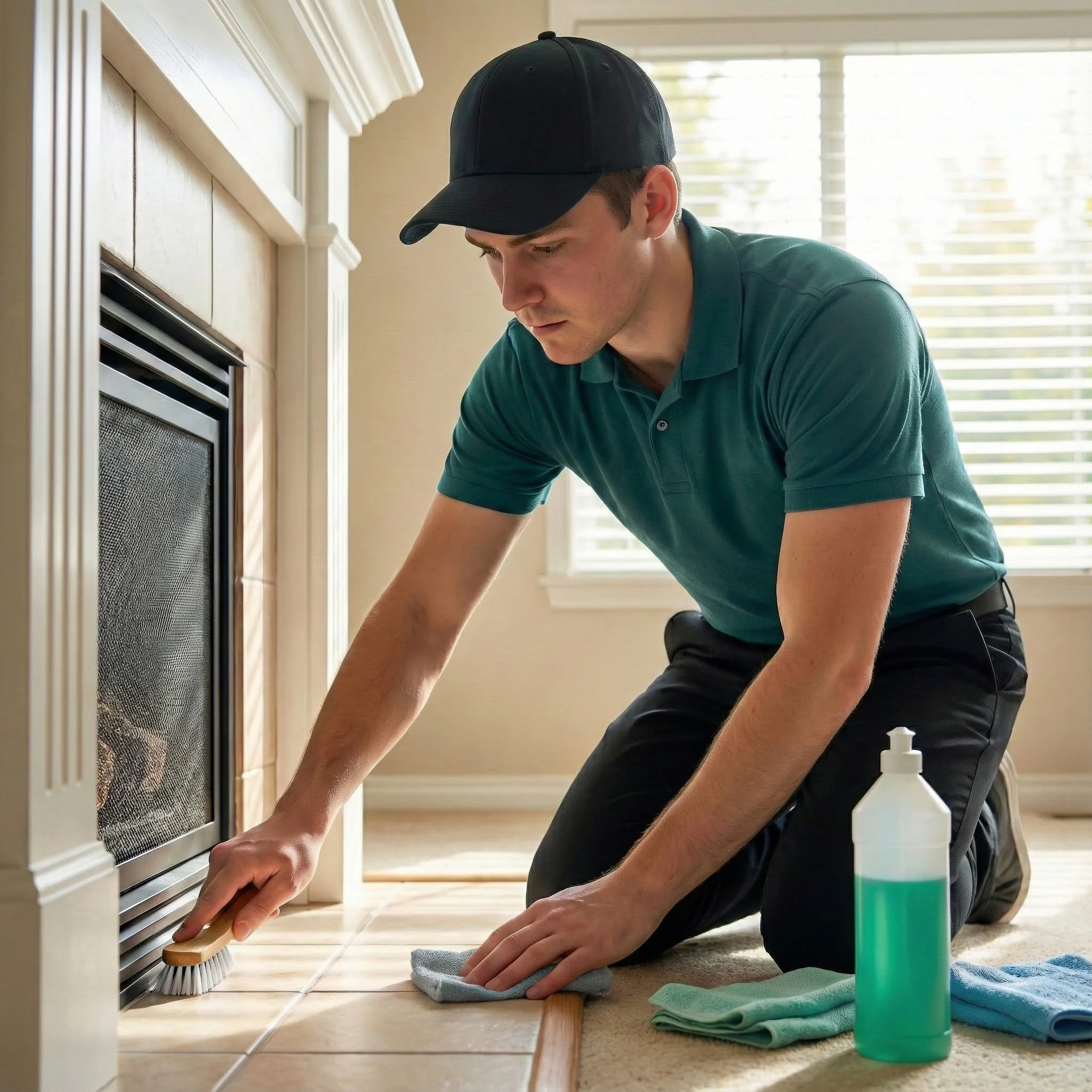
Revive your living environment with professional deep cleaning services across Australia for a healthier home nationwide.
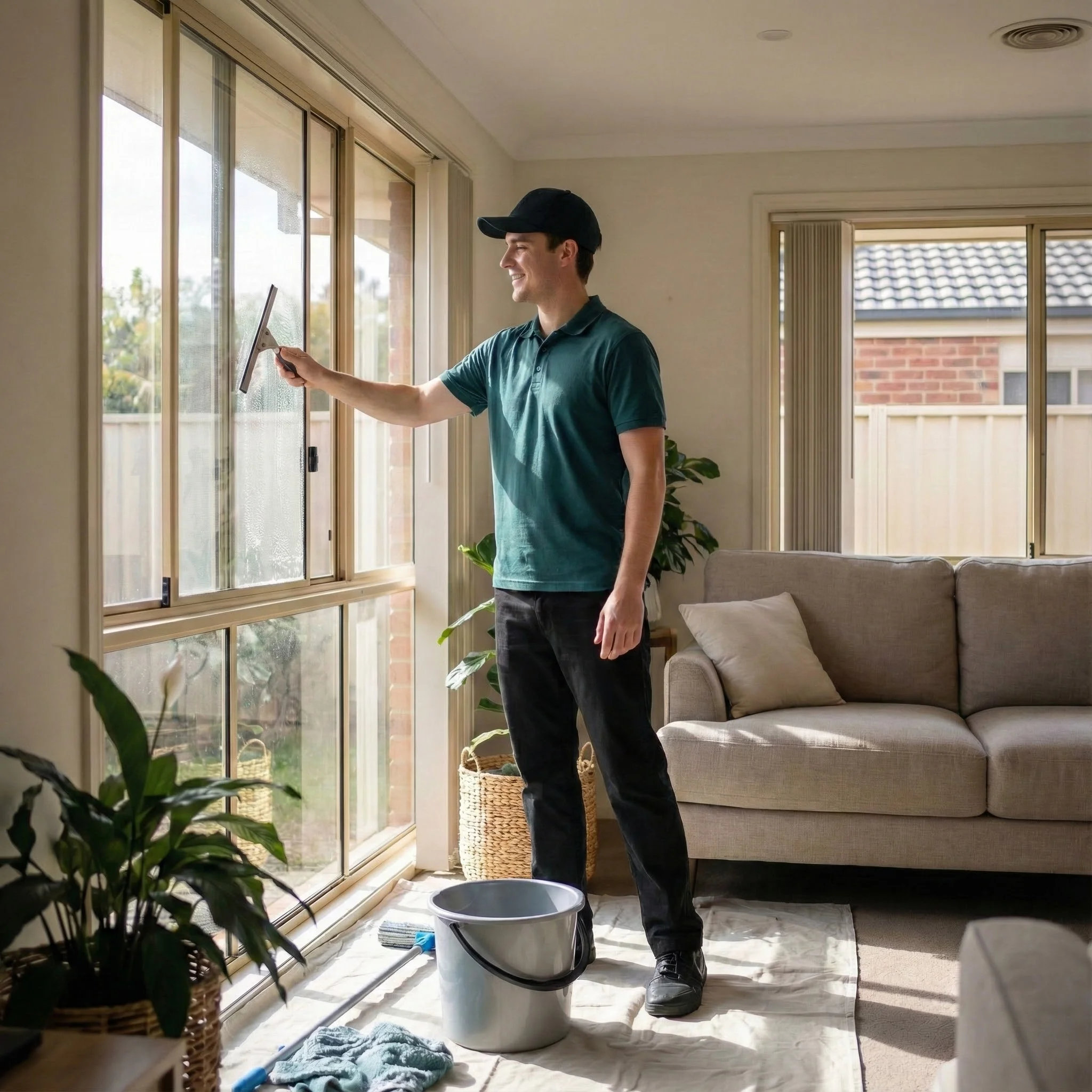
Experience crystal clear views with the premium window cleaning inside and outside Australia trusts for excellence.
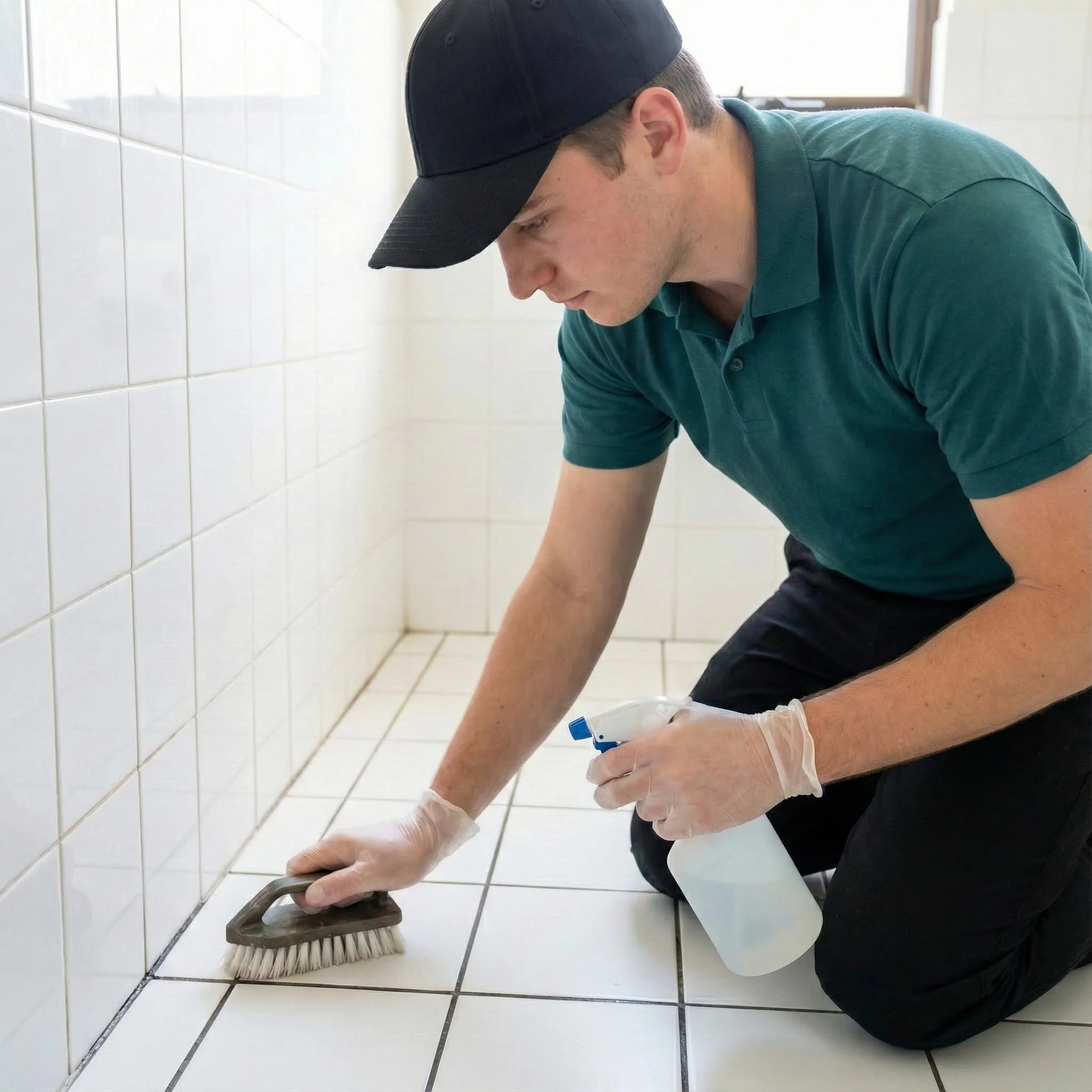
Enhance your home's value with the expert tile and grout cleaning Australia relies on for a pristine finish.
We stay until it's right
Our cleaners don't leave until you're happy with the work. For end of lease cleans, if you're not satisfied and tell us within 72 hours, we come back and re-clean.
Send a photo with your suburb and tell us how long it has been there. You get a straight answer on what the job needs before any money changes hands.
Monday to Sunday: 6:00 AM - 10:00 PM
Multiple Locations
Thanks for choosing Shining Services. Our team is reviewing your request and will send your personalised quote within 2 hours.
Need any help?
What happens next?
Guides and tips from our crews in Australia.
Discover what reliable deep cleaning services in Darwin should include, from kitchens and bathrooms to fans, floors, and wet-season build-up.