
Daily
Supermarkets, centre tenancies and high street stores. Entry, glass and aisle floor scrubbing cannot carry a day off in winter.

Customers judge a shop in the first few steps. The entry glass, the mat and the floor under their feet are where we put the most time.
We clean before you open or after you close, between 6am and 10pm, seven days. Shopfront glass, entry matting and hard floors on a set frequency, with centre induction sorted before the first shift.
Scheduled cleaning of the shop floor, entry and fitting rooms, plus counters and staff areas. It is written as a scope with frequencies rather than a rate per square metre.
Nearly all the soil in a retail space walks in through the front door. Entry matting and the first few metres of floor do more for the look of a store than anything further in.
Shopfront glass is the other one. Handprints sit at the height every customer pushes, and a smeared door undoes a clean floor before anyone is through it.
Food areas inside a supermarket carry their own requirements. See restaurant and cafe cleaning in Melbourne for anything handling unpackaged food.
Traffic decides this, not floor area.
Supermarkets, centre tenancies and high street stores. Entry, glass and aisle floor scrubbing cannot carry a day off in winter.
Showrooms and lower traffic stores. Heavy trading days get cleaned, quieter ones get a lighter pass or nothing.
High-traffic floor polishing, fitting rooms, back of house and high dusting. Scheduled quarterly rather than left until it shows.
Melbourne winter changes the load rather than the scope. Wet months bring water and grit through the entry, so matting and the front third of the floor lift in frequency.
Our crews work from 6am to 10pm. Nothing wet on the floor when a customer walks in.
Contact usStep 01
Centre induction, access approvals and loading dock bookings arranged before the first shift.
Step 02
Entry and glass every visit, with periodic items appearing on the schedule rather than on request.
Step 03
Timed so nothing is drying when your first customer arrives. A wet floor sign at nine is a failure.
Step 04
Dated record to your store manager or head office, so multi-site reporting is not guesswork.
Four areas, each with its own frequency in the written scope.
Stock does not get moved, straightened or faced. That is merchandising and it belongs to your team, so the line gets written into the scope rather than assumed either way.
Sent with the quote rather than after you sign.
Shopping centre tenancies bring their own layer. Centre inductions, access approvals, contractor sign-in and waste rules all get sorted before we start rather than on the day.
The weather and the type of tenancy both change the job.
The front third of a store does most of the work on your reputation, so our scopes give it more time than the back.
Four things worth asking any contractor quoting a store.
Entry matting and the first few metres of floor carry nearly everything that comes into a store. Further in, traffic thins out and so does the soil.
A scope that spreads the same attention evenly across the floor is spending your money in the wrong place. Ask for the front third to be lifted and the back reduced. The total usually comes down.
Handprints sit exactly where every customer pushes the door. They show against street light in a way nothing else in the store does, and they build up within hours.
Glass belongs on every visit rather than buried in a periodic schedule. A smeared entry door undoes a perfectly clean floor before anybody has walked across it.
Retail floors have to be dry before the doors open, not shortly after. Anything still drying during trade is a slip risk and a poor first impression at the same time.
We time the floor work so it is finished and dry, not finished and drying. That means knowing your real open time rather than a rough one.
Shopping centre tenancies need inductions, access approvals and contractor sign-in. Waste rules have to be followed to the letter as well.
We sort all of that before the first shift rather than on the night. A contractor turned away at the dock on a Monday has cost you a clean and a week of goodwill with the centre.
You are handing over keys and access. Here is what sits behind it.
Where the soil and the judgement both are.
Insurance cover on every visit, certificate on request.
Sorted upfront, not at the dock.
No wet floor signs during trade.
Useful when you run several sites.
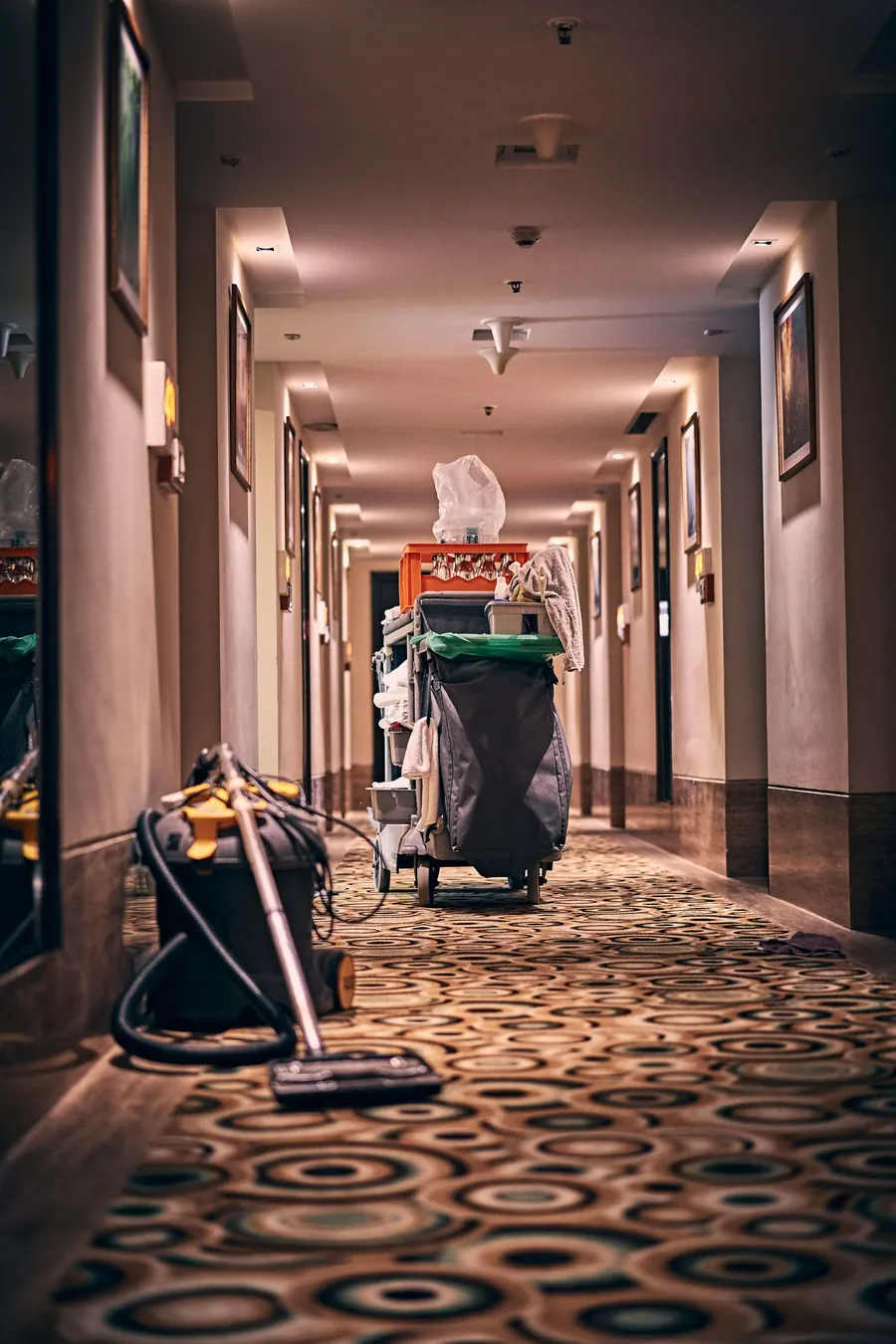
Our cleaners don't leave until you're happy with the work.
Four steps, usually inside a week. No obligation at any point.
Floor type, entry setup and traffic pattern, plus fitting rooms and back of house.
Area by area with frequencies, weighted to the front, at a fixed price.
Keys, alarm and centre induction, plus access approvals and your reporting contact.
Photo sign-off each visit, with the schedule reviewed every six months.
Retail is quoted after a walkthrough rather than from a rate card. Traffic volume, floor type and fitting room count drive the hours far more than square metres do. The quote states the cleaner hours behind it.
Scheduled into the contract rather than sold as call-outs.
Strip, seal and high-traffic floor polishing.
Above ground floor and awnings. Window cleaning →
Traffic lanes and change areas. Carpet cleaning →
Gum and grime outside the door. Pressure washing →
Track lighting and ceiling vents, quarterly.
New store before opening. Builder final cleaning →
Shops, showrooms, supermarkets and centre tenancies across metropolitan Melbourne. Running several stores? Request a walkthrough and we will scope them together.
Victorian and Edwardian terraces, weatherboards, and converted warehouses where winter condensation and older timber floors shape the work.
High-rise apartment towers alongside heritage family homes where building access windows and owners corporation rules decide the schedule.
Family homes on large blocks where ducted heating registers, large floor plans, and outdoor paving are regularly booked together.
It is quoted after a walkthrough rather than from a rate card. Traffic volume, floor type and fitting room count drive the hours far more than square metres do. Our quote states the cleaner hours behind it so you can compare it against other tenders.
Both, between 6am and 10pm, depending on what your centre or landlord allows. High street stores usually suit a pre-open clean, while centre tenancies often run after close around the dock schedule. A store that trades past 10pm gets a clean from 6am before it opens.
Yes, and we treat anything else as a failed clean. A wet floor sign during trade is a slip risk and a poor first impression at the same time. We need your real open time rather than a rough one so the floor work finishes with time to spare.
Yes, and it all gets sorted before the first shift. Induction, access approvals, sign-in and waste rules differ from centre to centre. A contractor turned away at the dock costs you a clean and a week of goodwill.
Because almost all the soil in a store walks in through the front door. Entry matting and the first few metres carry nearly everything, while traffic and soil both thin out further in. Spreading the same attention evenly across the floor spends your money in the wrong place.
No, and it is written into the scope. Facing and merchandising belong to your team, and a cleaner moving stock creates more problems than it solves. We clean around displays and report anything that looks out of place.
Yes for the shop floor, aisles, counters and back of house. Anything handling unpackaged food carries its own requirements under the Food Standards Code and gets scoped separately. Tell us at the walkthrough so it is priced properly.
Yes, and it is usually more efficient to scope them together. Stores in the same corridor can share a crew and a schedule, which brings the per store cost down. Reporting still comes through per site so each manager sees their own store.
We stay until it's right
Our cleaners don't leave until you're happy with the work. For end of lease cleans, if you're not satisfied and tell us within 72 hours, we come back and re-clean.
Tell us the store size, your trading hours and your centre name if you have one. We will walk it and come back with a written scope.
Monday to Sunday: 6:00 AM - 10:00 PM
Level 12, 123 Collins Street, Melbourne VIC 3000
Thanks for choosing Shining Services. Our team is reviewing your request and will send your personalised quote within 2 hours.
Need any help?
What happens next?