
Floors
- Pre-treatment with dwell time
- Mechanical agitation of grout lines
- Rinse and extraction, not mopping
- Edges and under toe kicks
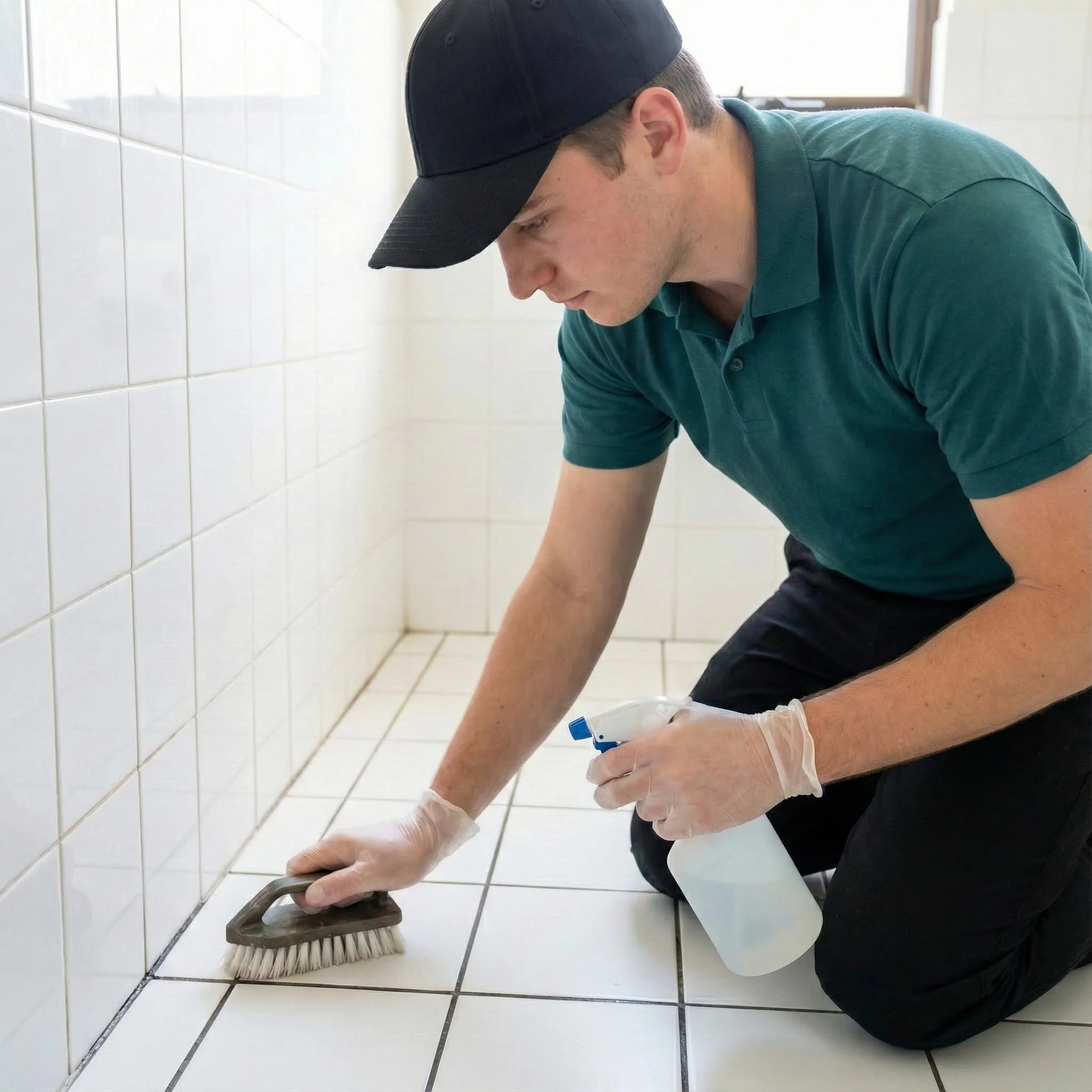
Bathrooms, kitchens, laundries, hallways and outdoor paving. Tiles, grout lines and shower screens, across the Perth metro area.
The method has to match the material. Cement grout, glazed porcelain and Perth limestone all want different treatment, and the cleaner that is right for one will damage another. Our published WA rate is $34 a square metre, with bathroom floors from $210.
It is a chemical reaction rather than grime. Soap meets the calcium and magnesium in the water and forms a solid that bonds to glass and glaze.
That is why wiping with detergent does so little. How much you get depends on your water, and it varies across Perth, with some northern suburbs on noticeably harder supply.
Shifting it takes the right cleaner for the surface and some dwell time. A squeegee after each shower keeps it from building back up.
Nearly always salt, called efflorescence, and the difference matters because the two are treated in opposite ways.
Water moves soluble salts through concrete and pavers and leaves them on the surface as it evaporates. The salt comes from the material itself and from the ground, and sandy coastal soil is a common source.
Hosing it off tends to bring more salt up as the water dries. Repeated dry brushing as the deposits appear is slower and works better, and the bloom usually fades as paving ages.
Scoped by area and surface, agreed before the machine comes off the van.
Step 01
Glazed porcelain, unglazed terracotta, cement grout, limestone or travertine. Each rules a different set of chemicals in and out.
Step 02
Out of sight, with the product we intend to use. On natural stone this is not optional, and we would rather lose the job than guess.
Step 03
Product sits long enough to work, grout lines get mechanical agitation, then the soil is rinsed and pulled out rather than spread around.
Step 04
You see the result first. Then we tell you whether a sealer is worth it on your surface, and when it plainly is not.
Because the chemistry is not negotiable. Limestone, travertine and marble are mostly calcium carbonate, and acid dissolves calcium carbonate.
Heritage stone guidance in WA says the same thing: neutral cleaners only on limestone and marble, and the gentlest method that works. Perth uses a lot of local limestone for paving and retaining walls, and the bottle that cleans a porcelain floor can etch a limestone alfresco for good.
Cement grout is a different problem again. Acid mixed too strong discolours and breaks down grout, so neutral cleaners come first. Chlorine also fades coloured grout over time, so a faded pool surround may not be dirty at all.
Not "acid is bad", but acid belongs on some surfaces and ruins others.
This is the one that ends in replacement. Vinegar, lemon, descaler and brick acid all attack limestone, travertine and marble, and the surface is gone, not stained.
On concrete, brick and some grout, a weak acid wash used on a pre-wetted surface is accepted practice. Too strong a mix discolours and breaks down cement grout.
Water carries the salt, so washing can bring more of it to the surface as it dries. Dry brushing is slower and actually works.
Sealer over trapped moisture locks the problem in. On salty masonry a water repellent can push the salt to crystallise under the surface and flake it.
Acid on a porcelain floor is a tool. Acid on a limestone alfresco is a demolition job.
Sealing helps on porous surfaces. A fixed reseal interval, though, does not hold up, because wear depends on the tile, the grout, the traffic and the cleaning.
A sealer is worth it on porous cement grout and absorbent stone in a wet or busy area. It is close to pointless on a glazed porcelain tile face.
The time to reseal is when water stops beading and the grout darkens when wet, which you can check yourself in ten seconds. A sealer also only buys time on a spill, so wipe it up straight away.
Six reasons, one line each.
We name the material before we pick a product, and test stone out of sight.
We show you how to test the sealer yourself instead of selling a calendar.
Nothing acidic goes near limestone, travertine or marble.
Etching, glaze wear and old acid damage get pointed out at the quote, not after.
Before and after by room, useful for a vacate inspection or a strata committee.
Our cleaners don't leave until you're happy with the work.
Priced by area, at published WA rates including GST. Measure the floor and you can work it out before you call.
| Area | WA rate |
|---|---|
| Tile and grout cleaning Per square metre | $34 |
| Bathroom floor From | $210 |
| Kitchen tiled floor From | $250 |
Narrow grout lines, wall tile in a shower and natural stone take slower work, and we tell you before we start if your floor sits above the from price. Sealing is quoted on its own so you can say no, and outdoor paving is quoted on area and stone type.
Send the rooms, a rough square metre count and a photo of the worst grout line. A written price comes back the same day.
Order matters on a couple of these, so one visit beats two.
Hard floors first, carpet second, so nothing walks back across damp fibre. Carpet cleaning
Grout and shower screens are where WA vacate inspections get picky. End of lease
If the grout keeps going dark, the problem is moisture, not the grout. Mould cleaning
Driveways and limestone paving, with the pressure matched to the stone. Pressure washing
The same mineral film sits on shower screens and external glass. Window cleaning
Regular cleaning keeps grout from getting back to this state. House cleaning
The Perth metro area, from Joondalup to Rockingham, and Mandurah. Not on the list? Send your suburb and you will hear back the same day.
Coastal salt air and beach sand impact properties heavily here. Window tracks, exterior glass, and flyscreens need regular washing to stop salt corrosion.
A mix of commercial high rises, character homes, and modern units. Jarrah floor care and delicate limestone work are common across these areas.
Large family properties and industrial facilities. Paved alfresco spaces and bore reticulation mean pressure washing is regularly booked alongside a house clean.
Our WA rate is $34 a square metre including GST, with a bathroom floor from $210 and a kitchen tiled floor from $250. Sealing and outdoor paving are quoted separately.
Often close, sometimes not. Cement grout is porous and absorbs oils and dye, and some staining is permanent. We tell you which it is before we start.
On glazed porcelain and cement grout, a weak acid used properly is fine. On limestone, travertine or marble, never: acid etches the stone itself, and no amount of cleaning brings it back.
There is no fixed interval. Drip water on the grout, and if it soaks straight in rather than beading, the sealer has gone.
We assess it, and we do not promise it. Iron staining from Perth bore water resists ordinary cleaners, and the removers that work are usually acidic, which rules them out on limestone.
It should not. Cleaning residues and some sealers can reduce grip, which is why we rinse and extract rather than leave product behind.
Outdoor washing has to follow the WA water rules, and we check them for the job. A lot of salt bloom is better brushed dry anyway.
Usually within an hour or two for the floor itself. A sealer needs longer, and it should only go onto grout that has fully cured and dried.
Most customers book more than one. Same crews, same standards, one invoice.
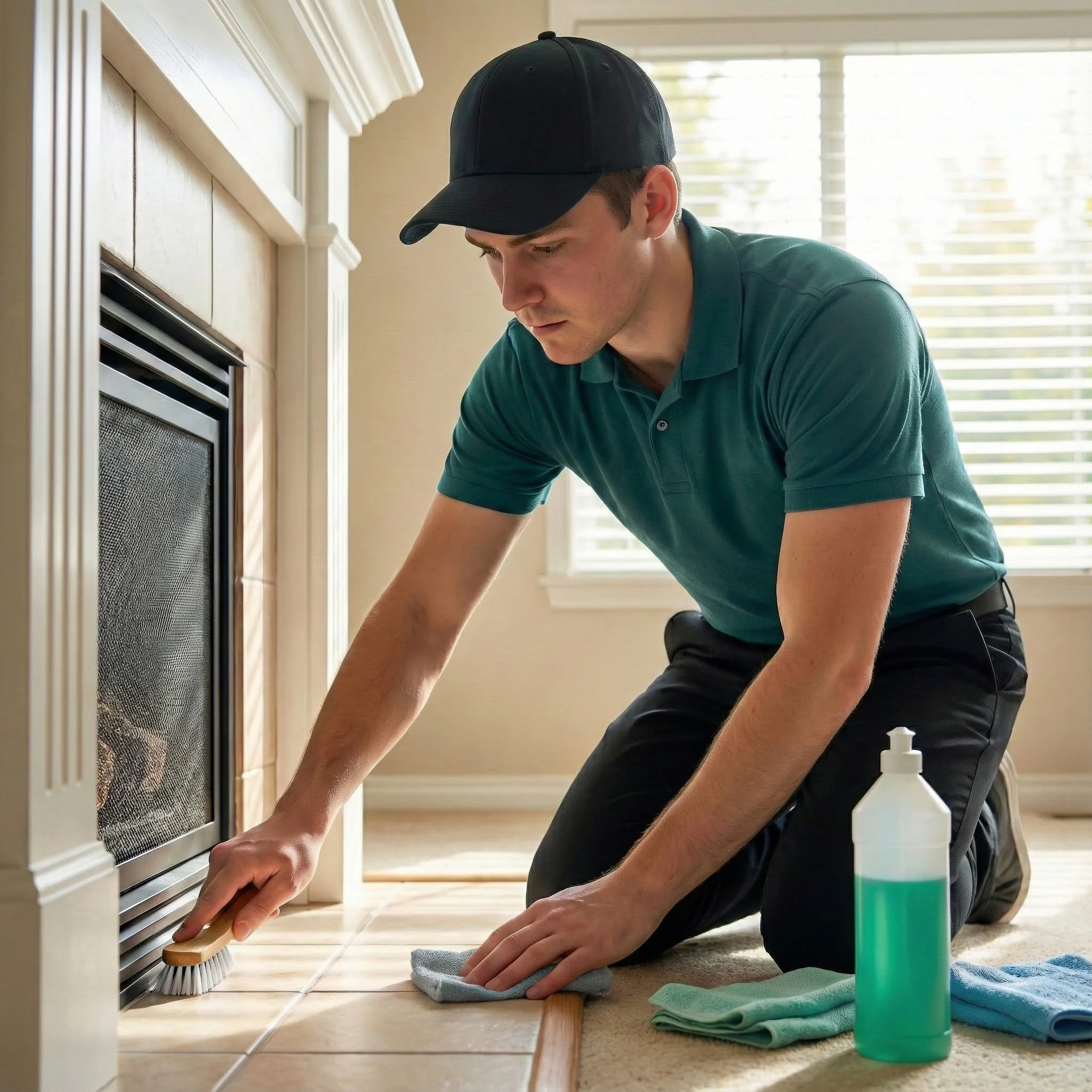
Trusted detailed cleaning services offer affordable options with clear detailed cleaning prices.
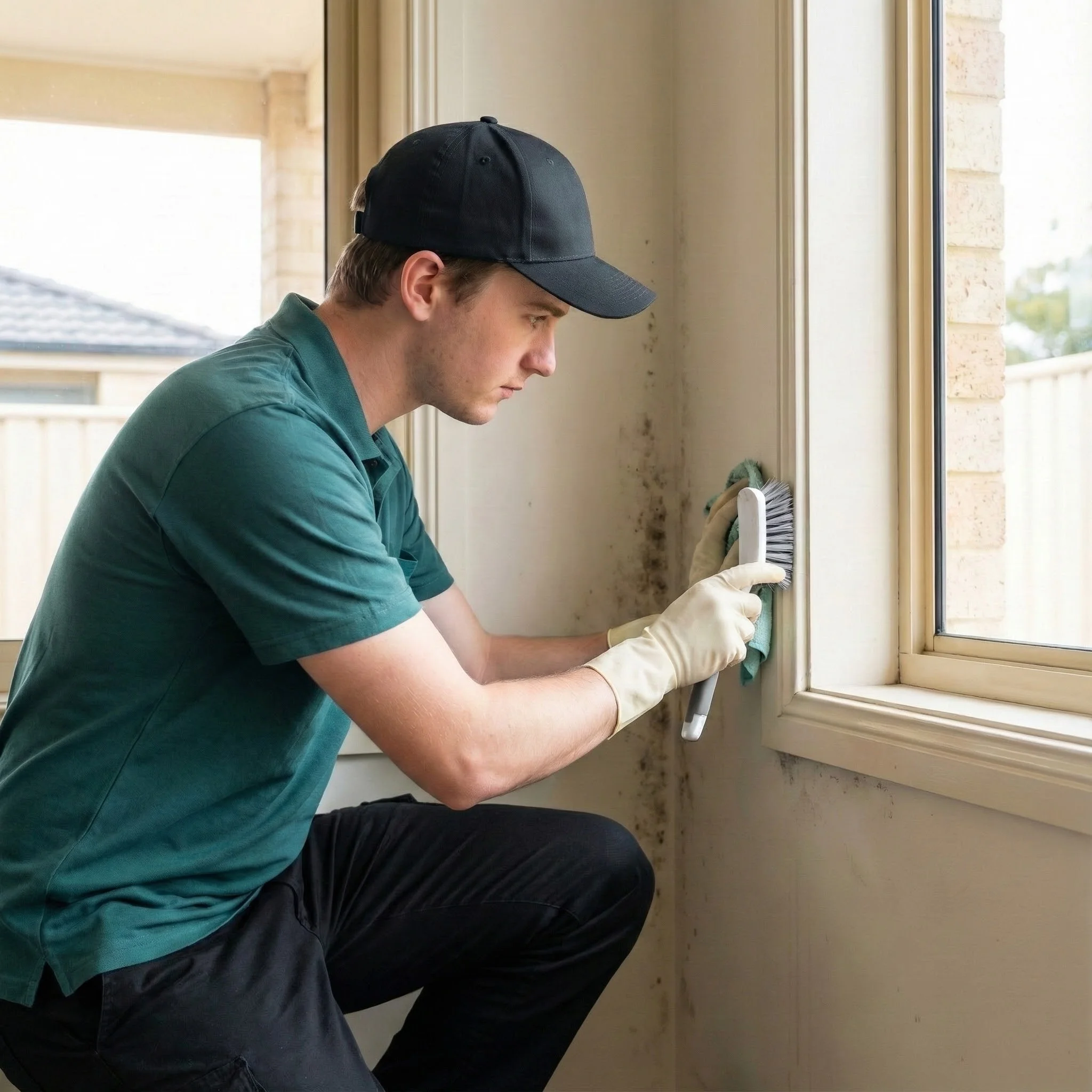
Secure a healthier living space with the specialist mould remediation Perth trusts for permanent solutions.
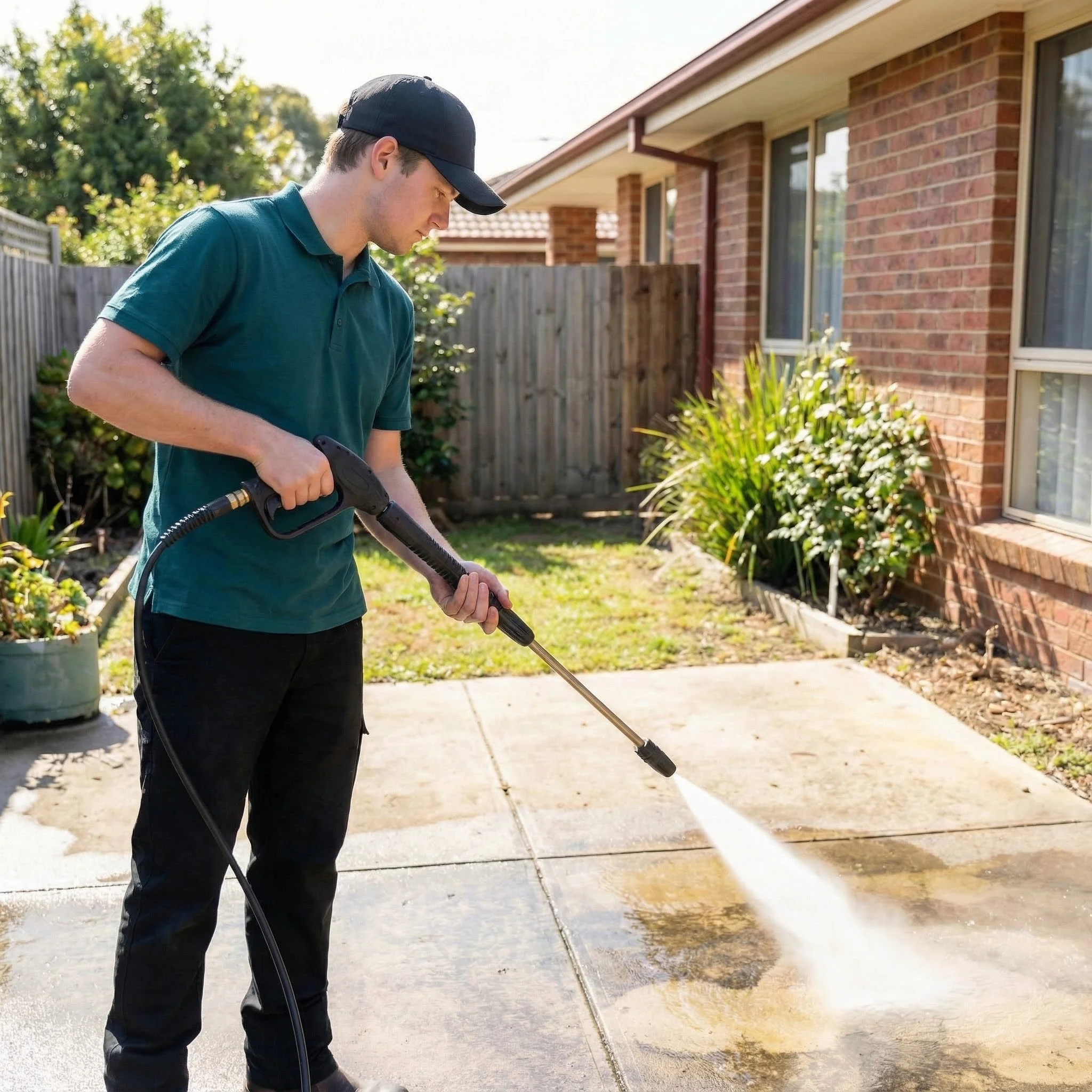
Choose our expert Perth pressure washing company.
We stay until it's right
Our cleaners don't leave until you're happy with the work. For end of lease cleans, if you're not satisfied and tell us within 72 hours, we come back and re-clean.
Send the rooms, a rough square metre count and a photo of the worst grout line. Tell us if any of it is limestone, travertine or marble, because that changes the method.
Monday to Sunday: 6:00 AM - 10:00 PM
104 Lambeth Circle, Wellard WA 6170
Thanks for choosing Shining Services. Our team is reviewing your request and will send your personalised quote within 2 hours.
Need any help?
What happens next?